
Realistic Hair Check porosity without a viral glass
Three wash-day observations, a demoted float test, and what to do with the score.
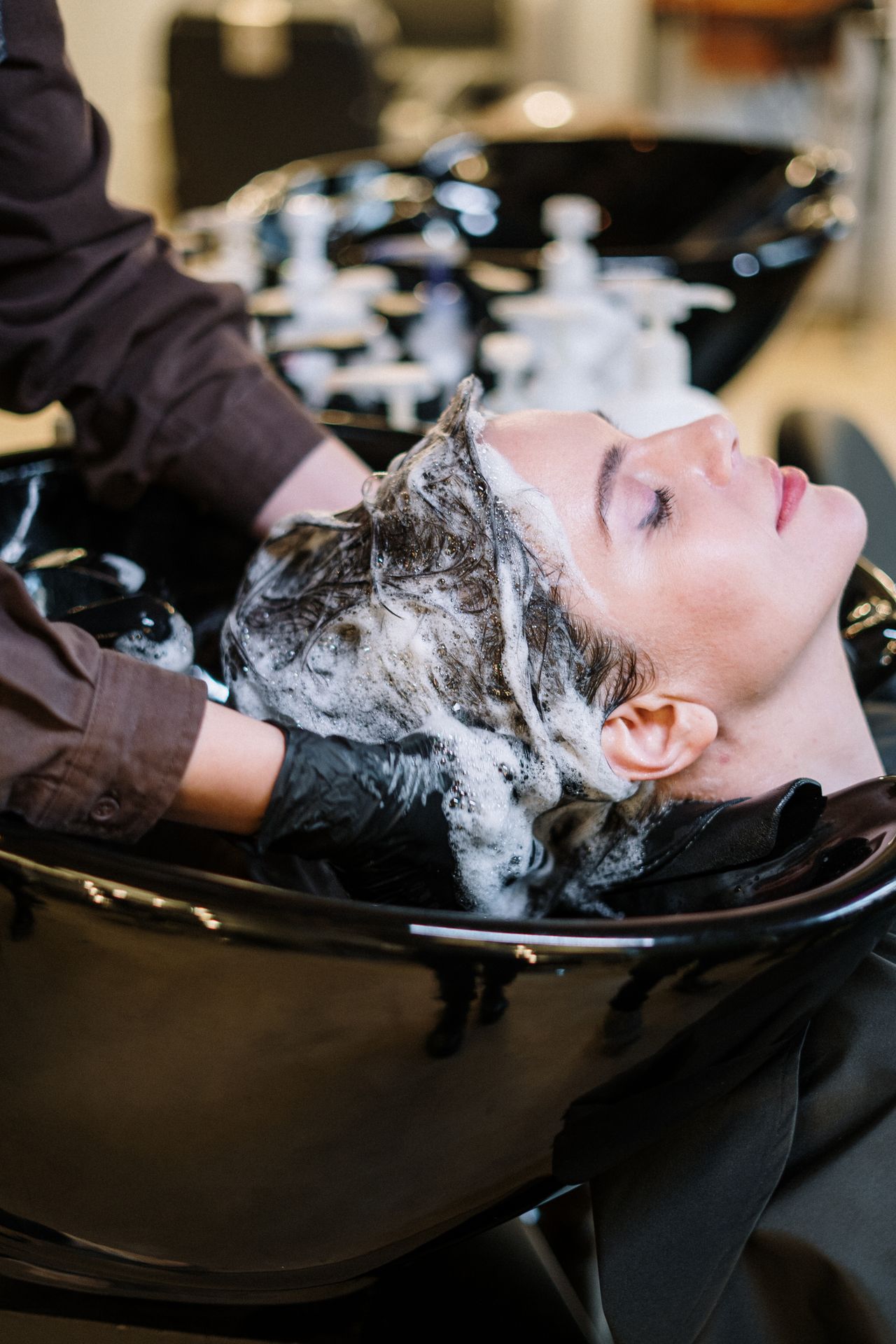
Porosity is how readily the cuticle takes and loses water. It is not your Walker letter. This checker is the short scorecard. The long caution is the porosity test guide. The anatomy is structure. The extra axes (density, thickness) live on porosity, density, thickness.
Hair must be clean. Clarify once if you have been sealing with butter or silicone. Use the next wash, not a greasy Tuesday. Do not yank a healthy strand out of a follicle for a reel.
Score three observations
Give each line low, medium, or high. Majority wins. Ties mean medium, which is where most untreated hair already lives.
1. Wetting. In the shower, how long until lengths are wet through, not just shiny on top?
- Water beads, two minutes or more → low
- Even soak in a normal wash → medium
- Instantly saturated, under about 30 seconds → high
2. Drying. After a gentle blot, how fast does product-free hair reach dry?
- Hours longer than friends with similar length → low
- Ordinary air-dry for your length → medium
- Dry fast, then rough or thirsty the same afternoon → high
3. Slip test. One clean strand, finger and thumb from tip toward the root (against growth).
- Smooth, glassy → low (cuticle lying flat)
- Slight texture → medium
- Bumpy, catching, rough → high (cuticle raised or worn)
Write the three letters down. Two lows is low porosity. Two highs is high. Everything else is medium unless bleach or heat has an obvious vote — then trust the chemical history and call it raised until it behaves otherwise.
The float test, demoted
If you still want the glass: room-temperature water, a clean shed strand, no oil. Float for a long time suggests low; sink fast suggests high. Confounders: trapped air, leftover conditioner, very fine versus coarse fibre, and how long you wait. Stylist explainers (including strand-test walkthroughs) keep saying the same thing: behaviour at the sink beats a jar. Use the float as a tie-breaker, not as a lab.
What to do with the score
Low porosity. Water and products sit on top. Warm (not scalding) water, lighter layers, patience, and heat as a temporary cuticle helper — a warm towel or steamer — not a daily blow-torch. Heavy butters coat and then fake even lower porosity. Pair with the family page from the types hub.
Medium porosity. The boring win. Balanced conditioners, ordinary leave-ins, protein on a schedule instead of a panic. This is the default the care by type page assumes when you have not bleached recently.
High porosity. Water in, water out. Humectants can help in moderate humidity and frizz you in a storm. Seal with a cream or oil after water-based leave-in. Protein can temporarily fill gaps; too much protein on already stiff fibre snaps. Bleach, heat, and UV are the usual villains — a 4C coil can be high porosity without being a new type.
What this checker will not say
It will not give you a Walker letter. Run identify on an air-dry for that. It will not tell you density (how much scalp you see at a part) or thickness (one fibre’s diameter). It will not diagnose breakage disease. Sudden shedding belongs on growth cycle and then with a dermatologist.
Re-score after a lightener, a year of daily heat, or a long season of swimming without a rinse. Do not re-score every wash because the weather changed. Humidity is weather. Porosity is the cuticle.
Keep this page next to the hair type chart. The chart is the loop. This checker is the sponge. Product aisles collapse them into one word — “type” — which is how a 2A with a bleached cuticle ends up under a coil butter. Split the words, score the wash, then go mix a small amount of product in your hands instead of on the whole head.
Frequently Asked Questions
Quick answers to the most common questions.
Is the float test required?
No. Wetting, drying, and slip are enough. Float only to break a tie, on a clean strand in room-temperature water.
Can porosity change?
Baseline is genetic. Bleach, heat, UV, and mechanical wear raise it. It does not jump because you used a new shampoo once.
High porosity means damaged, right?
Often, not always. Some fibres run thirsty from the follicle. Damage is the common acquired path. Either way, seal water in; do not invent a new Walker letter.
Should Type 4 always score high?
No. Coils can be low porosity — water beads, products sit. Family and cuticle are different axes. See coily hair.